|
Wales Index See also The Great Orme * SEARCH Doc's Pic's pages [Author © Dr WP Brown PhD plus help from AI, page updated Jan 1st 2026]
Llandudno is a popular 'Victorian, seaside
resort, town and community in Conwy County Borough, North Wales, and is
situated on the Creuddyn peninsula protruding into the Irish Sea. The
Llandudno community includes Gogarth, Penrhyn Bay, Craigside and
Penrhynside. Llandudno's name is derived from its patron saint, Saint Tudnoand is the largest seaside resort in Wales.
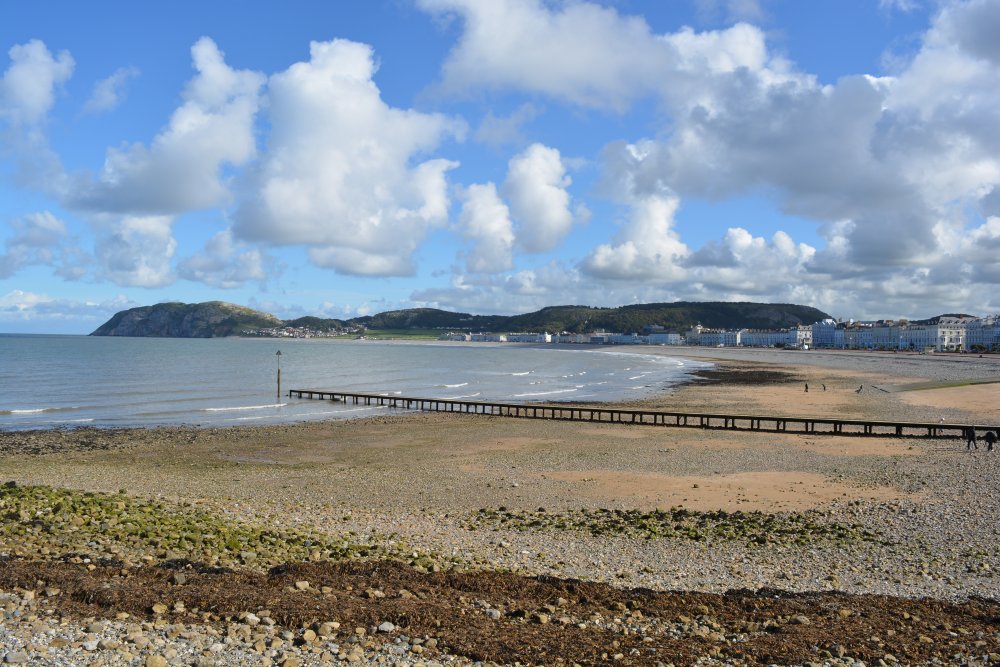
Llandudno has a beach of sand, shingle and rock curves
two miles between the headlands of the Great Orme and the Little Orme.
*
The long curved pebble and sand beach of Llandudno - looking east towards the hill of the Little Orme and Penrhyn and Craigside.
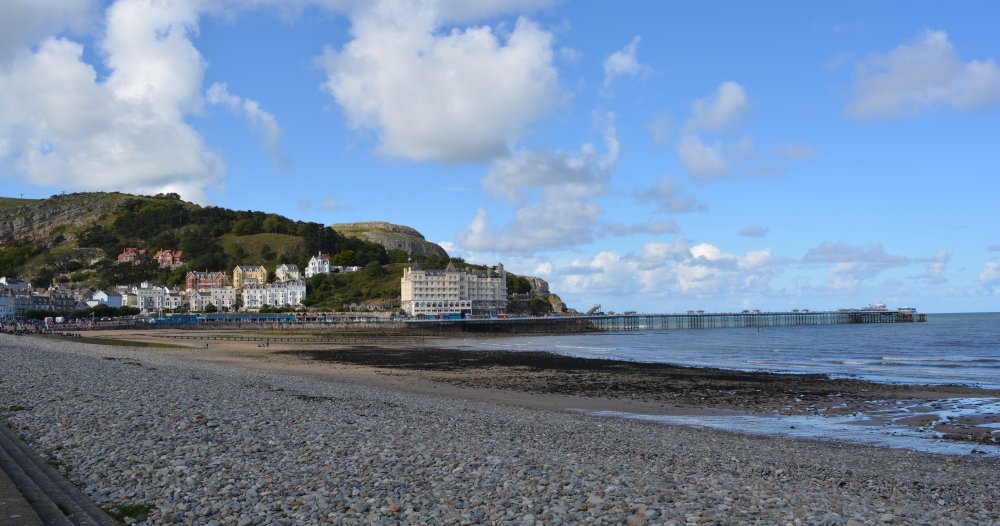
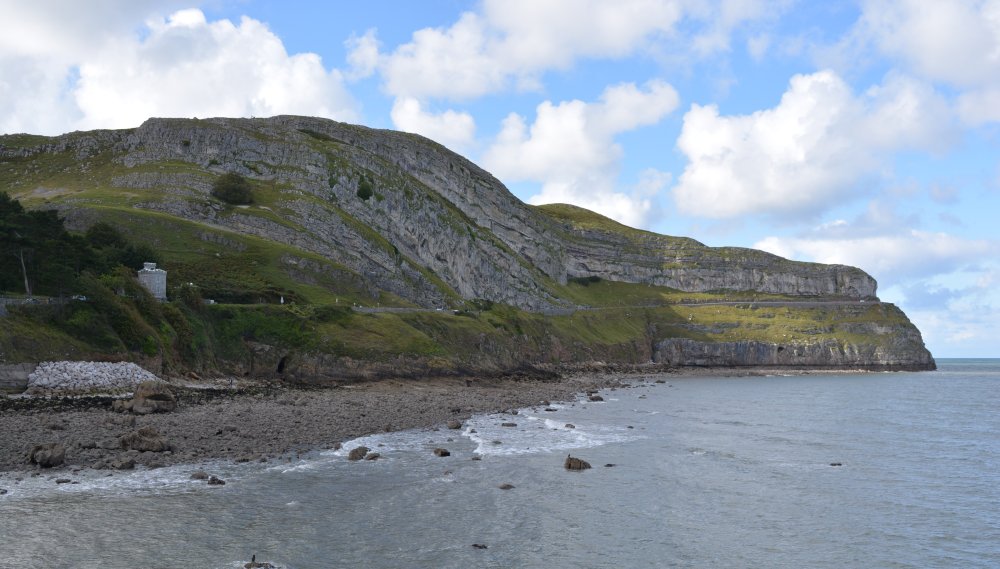
Looking west from Llandudno's beach towards the pier and Great Orme
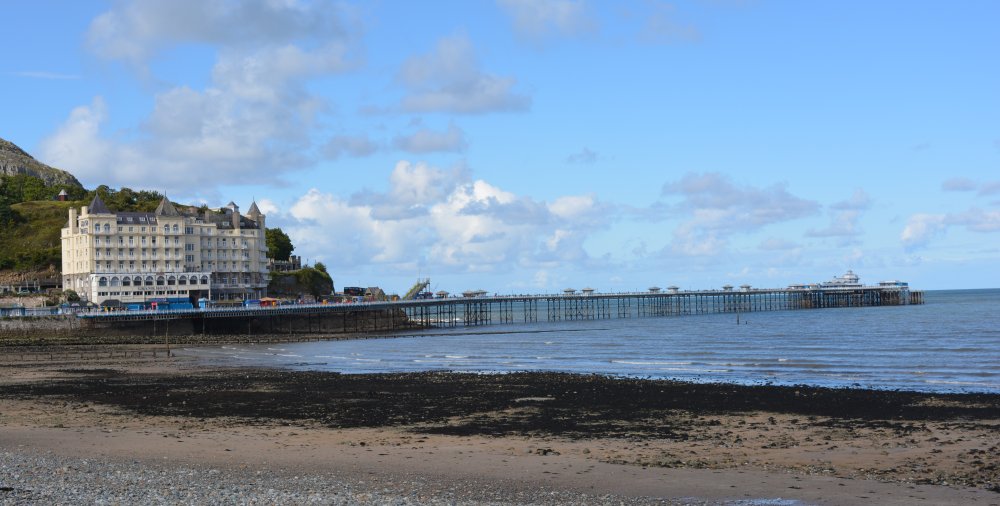
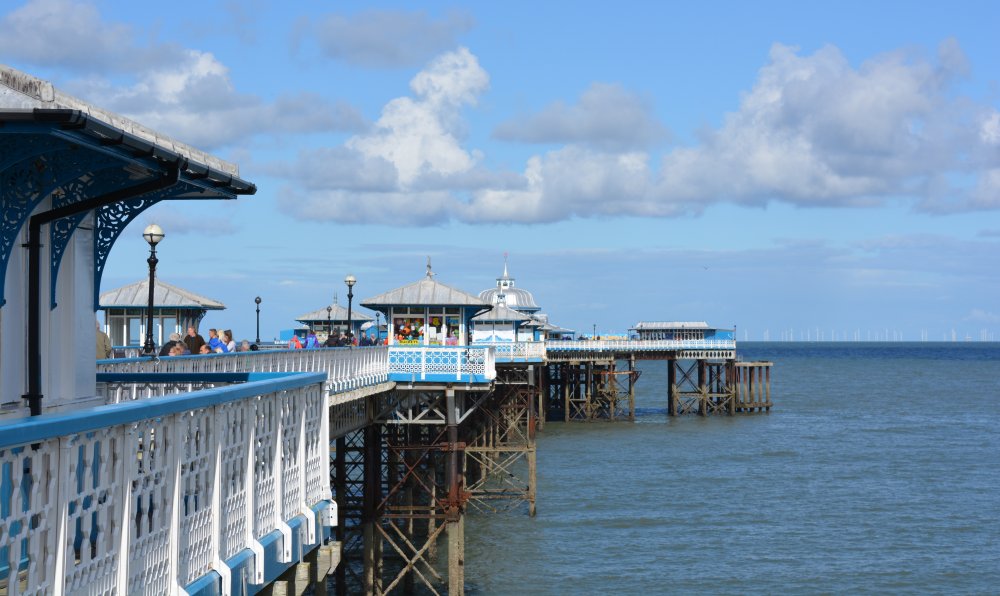
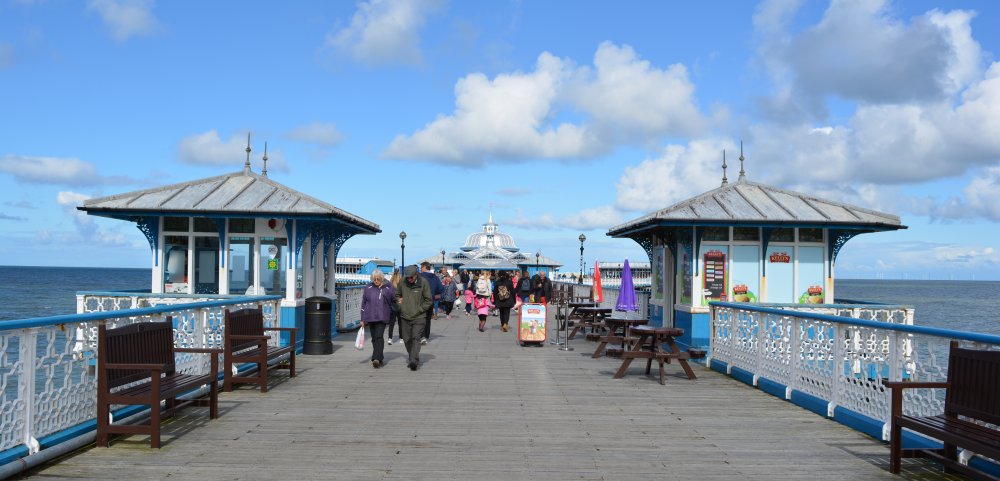
Llandudno's grand Pier
The Grand Hotel on the seafront of Llandudno. The Grand Hotel in Llandudno is one of the most iconic Victorian seaside hotels in Wales, built in 1901–02 on the site of earlier bathhouses and opened as a luxury destination overlooking the pier and bay. Today, it remains the largest hotel in North Wales, with over 160 rooms, and is a Grade II listed landmark. Historical Development of the Grand Hotel, Llandudno
Architecture & Features of the Grand Hotel, Llandudno
Cultural Role of the Grand Hotel, Llandudno
Significance Today of the Grand Hotel, Llandudno
*
You pass the Grand Hotel on your way to promenade on Llandudno's Pier!
A view of pier from toll road up to the top of the Great Orme - part of the Marine Parade Llandudno Pier is the longest pier in Wales, built in 1876–77, and remains a striking example of Victorian seaside architecture. It has been central to tourism in North Wales for nearly 150 years. Key Historical Facts about Llandudno Pier
Cultural Significance of Llandudno Pier
Challenges & Preservation issues to do with Llandudno Pier
In short, Llandudno Pier is both a Victorian engineering marvel and a living cultural landmark, embodying the seaside leisure traditions that defined Britain’s coastal resorts.
Llandudno pier is on
the North Shore. Built in 1878, it is a Grade II listed building. The
pier was extended in 1884 in a landward direction along the side of what
was the Baths Hotel (where the Grand Hotel now stands) to provide a new
entrance with the Llandudno Pier Pavilion Theatre, thus increasing the
pier's length to 2,295 feet (700 m); it is the longest pier in Wales.
Attractions on the pier include a bar, a cafe, amusement arcades,
children's fairground rides and an assortment of shops & kiosks.
In the summer, Professor Codman's Punch and Judy show (established in
1860) can be found on the promenade near the entrance to the pier.
The Great Orme from Llandudno Pier
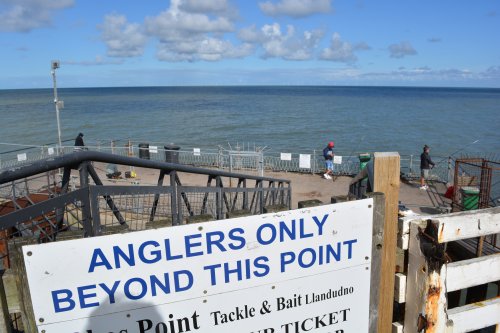
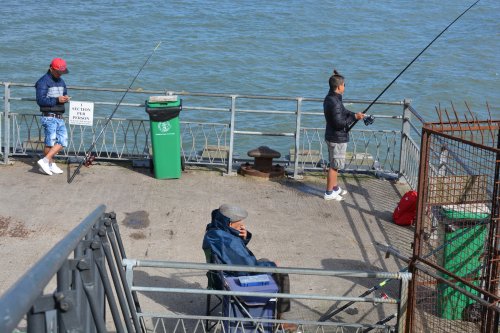
Fishing of the pier at Llandudno plus 60's music blaring out too!
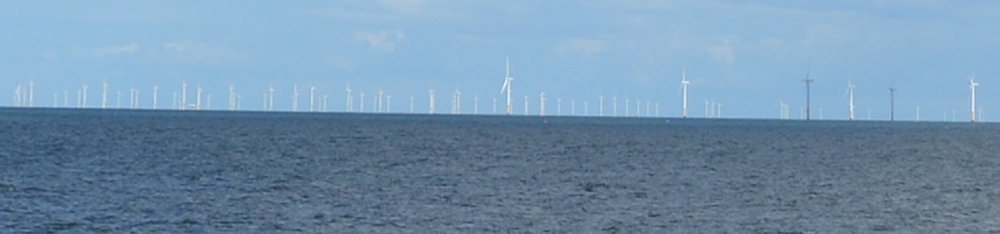
A huge windfarm has been built offshore of Llandudno.
Looking landwards over Llandudno to the hills of North Wales.
For most of the length of Llandudno's North Shore there is a wide curving Victorian promenade. The road, collectively known as The Parade, has a different name for each block and it is on these parades and crescents that many of Llandudno's hotels are built.
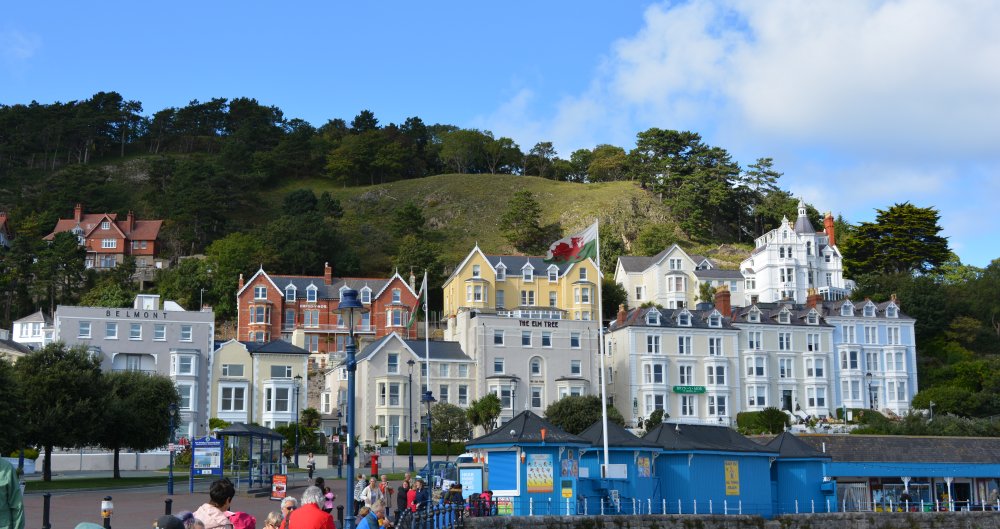
The grand swath of Victorian hotels on Llandudno's seafront.
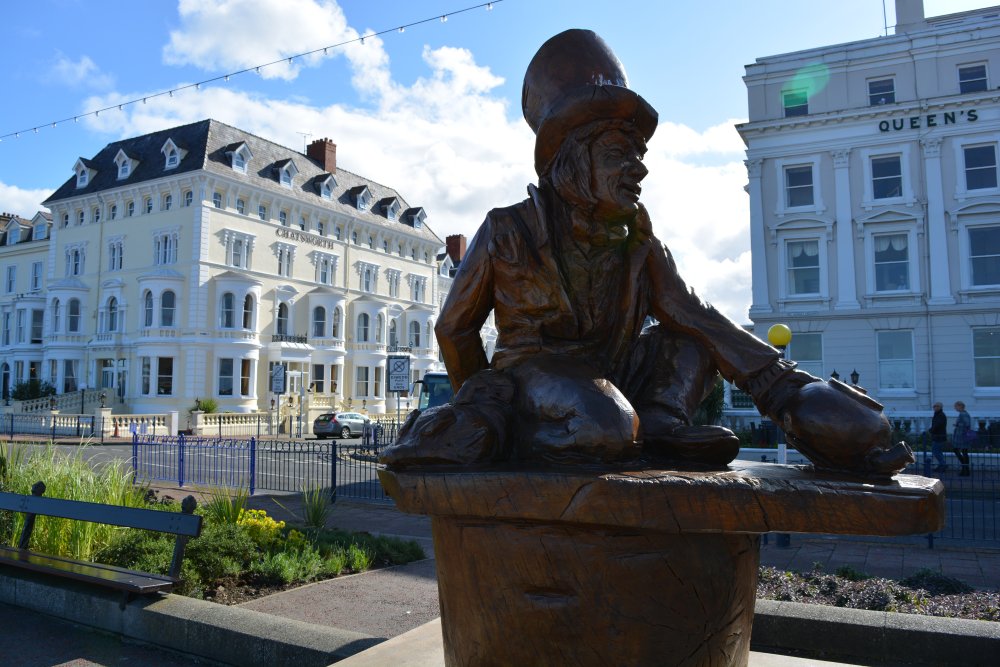
The Mad Hatter sculpture on the sea front at Llandudno.
The historic Victorian Alexandra Hotel in Llandudno. The Alexandra Hotel in Llandudno is one of the town’s oldest surviving Victorian hotels, originally built in 1865 as the Marine Hotel and renamed in 1891 in honour of Queen Alexandra. It is a Grade II listed building, noted for its Gothic‑style architecture and its role in the resort’s golden age. Historical Timeline of The Alexandra Hotel, Llandudno
Architecture & Heritage of The Alexandra Hotel, Llandudno
Cultural Significance of The Alexandra Hotel, Llandudno
Why The Alexandra Hotel MattersThe Alexandra Hotel is a living piece of Victorian seaside heritage, embodying the elegance and cultural vibrancy of Llandudno’s resort era. Its survival and continued use highlight the town’s commitment to preserving its architectural and social history.
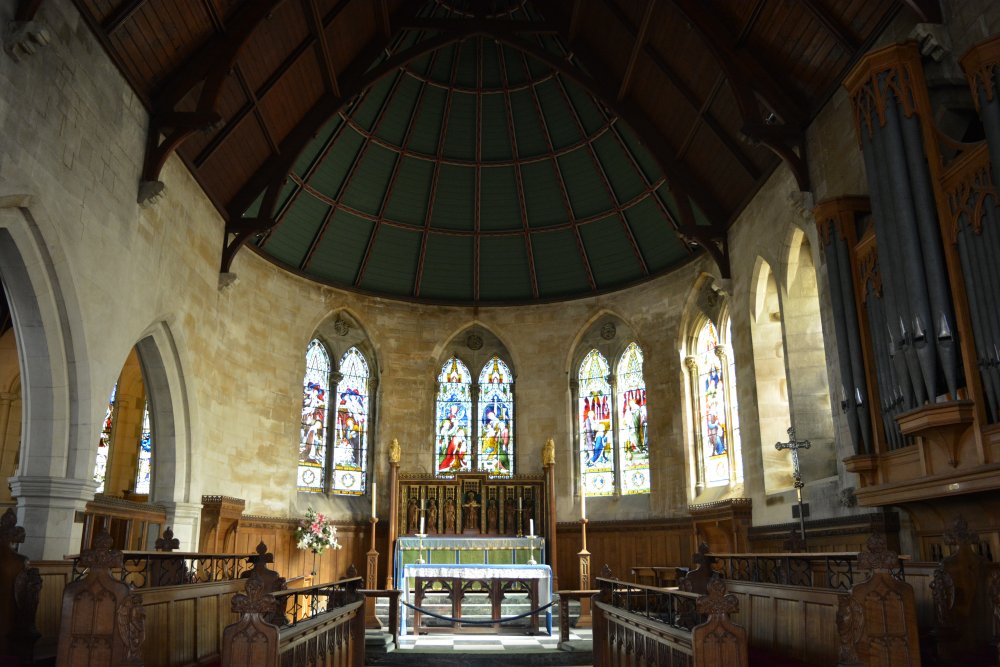
Holy Trinity Church, Mostyn Street in Llandudno Holy Trinity Church in Llandudno is a striking Victorian Neo‑Gothic parish church, built between 1865 and 1872 to serve the growing resort town. It remains a cultural and architectural landmark, with its tall tower, stained glass, and memorial chapel. Historical Background of Holy Trinity Church, in Mostyn Street, Llandudno
Architecture & Features of Holy Trinity Church, Llandudno
Cultural & Spiritual Role of Holy Trinity Church, Llandudno
The Significance of Holy Trinity Church, LlandudnoHoly Trinity Church embodies the Victorian expansion of Llandudno, blending religious purpose with the town’s rise as a seaside resort. Its architecture, memorials, and ongoing role in community life make it one of the most important landmarks in Conwy. Would you like me to create a timeline overlay of Holy Trinity’s development (foundation → tower → memorial chapel → restorations) so you can see its evolution at a glance?
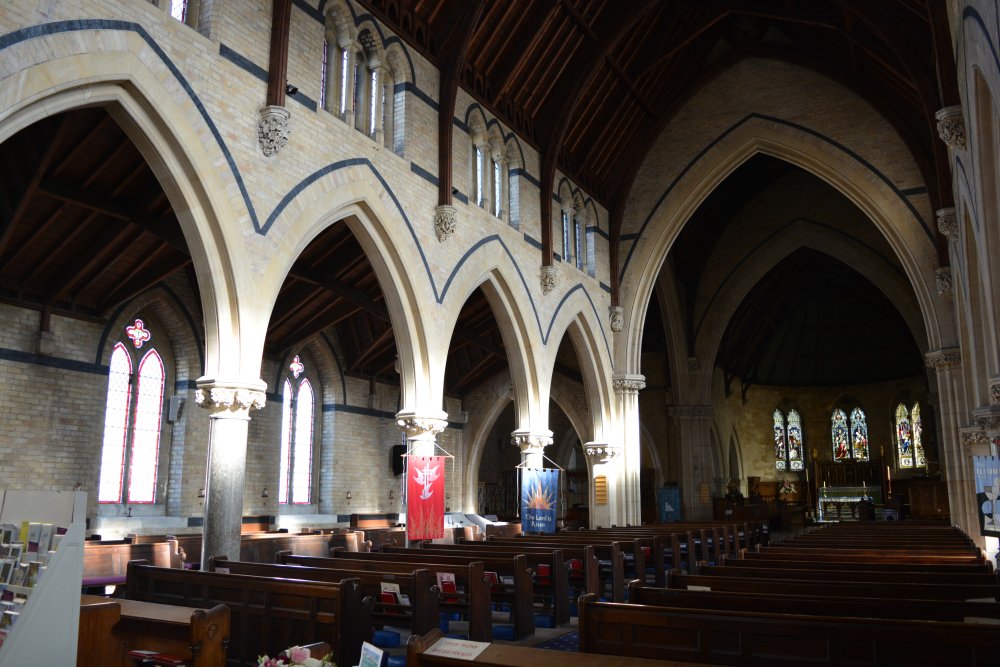
The interior of Holy Trinity Church, Llandudno
The high altar and chancel of Holy Trinity Church, Llandudno
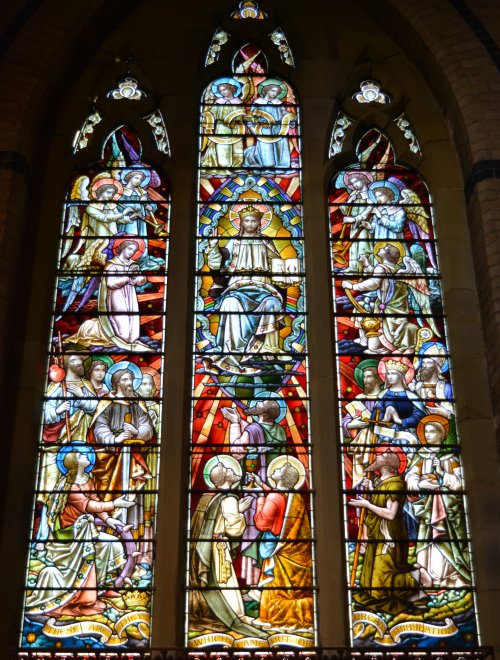
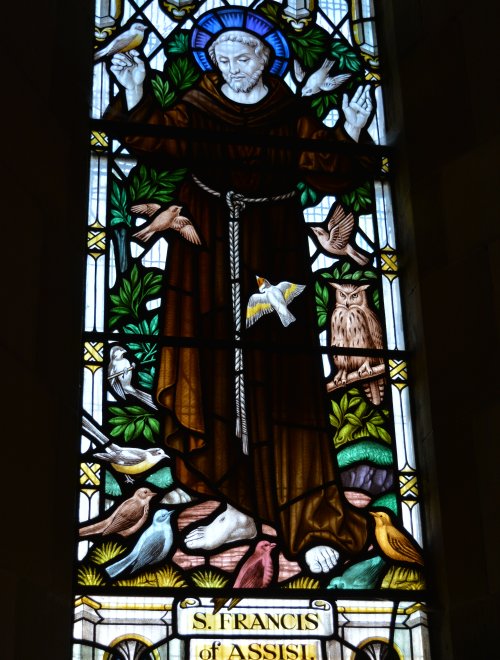
Stained glass windows in Holy Trinity Church, Llandudno
*
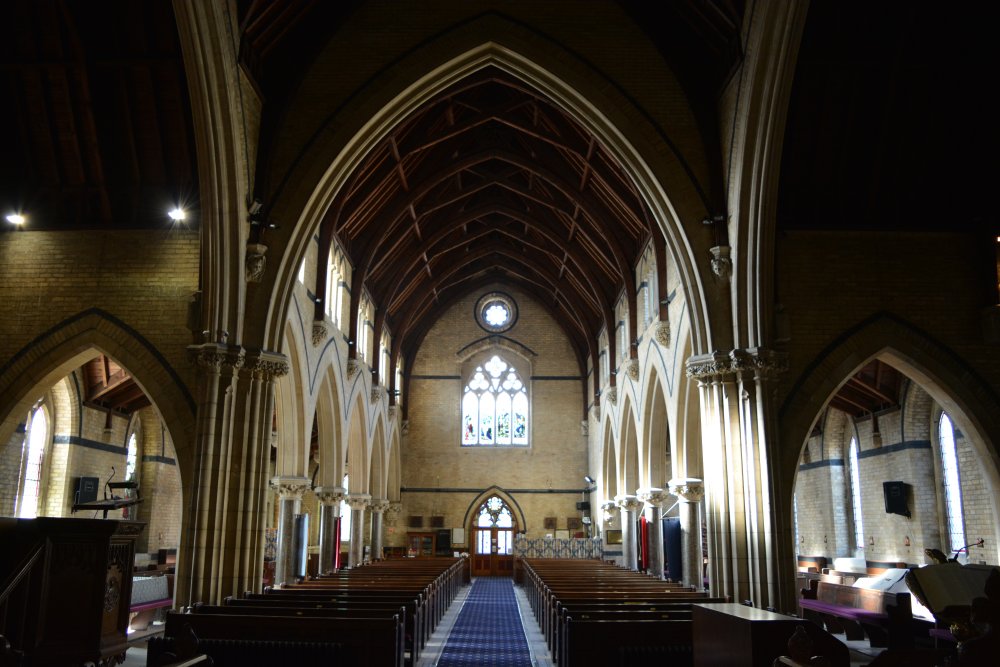
Looking down the nave of Holy Trinity Church
Running behind the promenade is Mostyn Street leading to Mostyn Broadway and then Mostyn Avenue. These are the main shopping streets of Llandudno and Craig-y-Don. Mostyn Street accommodates the high street shops, the major high street banks and building societies, two churches, amusement arcades and the town's public library.
A view of the hills from car park before eating in M&S !!
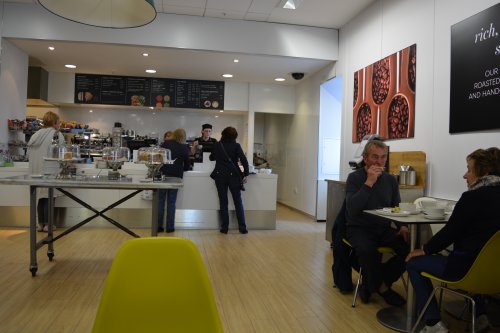
The very nice M&S cafe in Llandudno, North Wales Coast, St John's Methodist Church beyond up the street.
Looking south across from the West Shore Beach west of Llandudno Town towards the North Wales coast of Conwy and Penmaenmawr
Looking north from the West Shore Beach west of Llandudno Town towards Gogarth Cliffs on the west side of the Great Orme. Its only a ~2 km walk from Llandudno town centre Until 2017, Llandudno was unique within the UK in that its lifeboat station was located inland, allowing it to launch with equal facility from either the West Shore or the North Shore as needed. In 2017, a new lifeboat station was completed, and new, high-speed, offshore and inshore lifeboats, and a modern launching system, were acquired. The town is just off the North Wales Coast railway line which was opened as the Chester and Holyhead Railway in 1848. It became part of the London and North Western Railway in 1859, and part of the London, Midland and Scottish Railway in 1923. Llandudno was specifically built as a mid-Victorian era holiday destination and is served by a branch railway line opened in 1858 from Llandudno Junction with stations at Deganwy and Llandudno. See also The Great Orme
Welsh images pictures photos © Phil Brown docspics photographs of Wales * Welsh Tourist information, Holidays in Wales, Top tourist attractions in Wales, accommodation luxury hotels, Welsh B&B, hostels, Welsh self-catering holiday cottages, restaurants, guided walks, adventure walking holidays in Wales, mountain climbing, outdoor sports pursuits, touring coach tours of Wales, museums, week-end breaks in Wales, historic cities of Wales, Welsh towns, Welsh castles in Wales docspics images photos of Llandudno, North Wales Coast © Phil Brown Tourist information on Llandudno, North Wales Coast, Walks near Llandudno, North Wales Coast, Having holidays near Llandudno, North Wales Coast, Wales, Top tourist attractions near Llandudno, North Wales Coast, luxury hotels near Llandudno, North Wales Coast, self-catering holiday cottages near Llandudno, North Wales Coast, airbnb air B and B near Llandudno, North Wales Coast, quality B&B near Llandudno, North Wales Coast, friendly pubs near Llandudno, North Wales Coast, cafes near Llandudno, North Wales Coast, eating out in fine restaurants near Llandudno, North Wales Coast, weekend breaks near Llandudno, North Wales Coast, wining & dining weekends near Llandudno, North Wales Coast, walking holidays around Llandudno, North Wales Coast, touring coach tours including Llandudno, North Wales Coast, pretty villages near Llandudno, North Wales Coast, historic towns and pretty village near Llandudno, North Wales Coast, museums near Llandudno, North Wales Coast, local art galleries near Llandudno, North Wales Coast, guided walks from Llandudno, North Wales Coast, excellent fell hill walking around Llandudno, North Wales Coast, rambling near Llandudno, North Wales Coast, exploring the landscape near Llandudno, North Wales Coast, good places to eat near Llandudno, North Wales Coast, tourist attractions near Llandudno, North Wales Coast, tourist information for places near Llandudno, North Wales Coast, good places for wining and dining near Llandudno, North Wales Coast, good walks near Llandudno, North Wales Coast, properties for sale near Llandudno, North Wales Coast, renting a flat or house near Llandudno, North Wales Coast, property for rent near Llandudno, North Wales Coast, houses for sale near Llandudno, North Wales Coast, lettings near Llandudno, North Wales Coast, places to rent near Llandudno, North Wales Coast, holiday cottage accommodation near Llandudno, North Wales Coast docspics images photos of Llandudno, North Wales Coast northern Wales © Phil Brown Tourist information on Llandudno, North Wales Coast, Things to do in Llandudno, North Wales Coast, What to see in Llandudno, North Wales Coast, guided walks in Llandudno, North Wales Coast, weekend breaks in Llandudno, North Wales Coast holidays in Llandudno, North Wales Coast, Top tourist attractions in Llandudno, North Wales Coast, luxury hotels in Llandudno, North Wales Coast, self-catering holiday cottages in Llandudno, North Wales Coast, airbnb air B and B in Llandudno, North Wales Coast, B&B in Llandudno, North Wales Coast, friendly pubs in Llandudno, North Wales Coast, cafes in Llandudno, North Wales Coast, eating out in fine restaurants in Llandudno, North Wales Coast, bargain holiday breaks in Llandudno, North Wales Coast, wining & dining weekends in Llandudno, North Wales Coast, touring coach tours visiting Llandudno, North Wales Coast, pretty areas in Llandudno, North Wales Coast, historic buildings in Llandudno, North Wales Coast, visiting museums in Llandudno, North Wales Coast, local art galleries in Llandudno, North Wales Coast, guided walks in Llandudno, North Wales Coast, history of Llandudno, North Wales Coast, architecture of Llandudno, North Wales Coast, trains to Llandudno, North Wales Coast, historic houses in Llandudno, North Wales Coast, historic churches in Llandudno, North Wales Coast, information centre in Llandudno, North Wales Coast, heritage places in Llandudno, North Wales Coast, good places to eat in Llandudno, North Wales Coast, top tourist attractions in Llandudno, North Wales Coast, tourist information for things to do and see in Llandudno, North Wales Coast, good places to eat out in Llandudno, North Wales Coast, good places to walk to in Llandudno, North Wales Coast, tourist attractions properties for sale in Llandudno, North Wales Coast, renting a flat of house in Llandudno, North Wales Coast, property for rent in Llandudno, North Wales Coast, houses for sale in Llandudno, North Wales Coast, lettings in Llandudno, North Wales Coast, places to rent in Llandudno, North Wales Coast, holiday cottage accommodation in Llandudno, North Wales Coast |























|
 Enter
anything! |